How Travel Photography Redefines the Way You Experience Every Destination


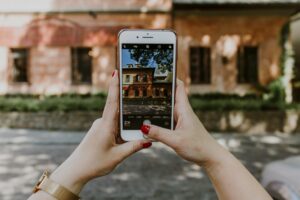
Travel photography is more than capturing attractive images; it is a way of seeing the world with greater attention and awareness. When you begin to photograph a destination, your perspective naturally shifts from passive observation to active engagement. Instead of simply passing through a location, you start noticing textures, light patterns, architectural details, and human interactions that might otherwise go unseen.
This shift in attention changes the entire travel experience. A street corner becomes more than a path to walk through, and a landscape becomes more than a background. Every scene carries potential meaning, waiting to be discovered through framing and composition. Photography encourages you to slow down and truly observe your surroundings, transforming even ordinary moments into something visually and emotionally significant.
The Power of Slowing Down and Observing
One of the most transformative aspects of travel photography is how it naturally encourages patience. Instead of rushing from one landmark to another, photographers often pause and wait for the right light, movement, or expression. This slower pace allows for a deeper connection with the environment.
When you wait for a moment to unfold, you begin to notice subtle changes in the atmosphere. The way sunlight shifts across a building, the rhythm of people moving through a market, or the quiet stillness of an early morning street all become meaningful subjects. This level of awareness is difficult to achieve when traveling without a photographic mindset.
By slowing down, you are no longer just visiting a destination. You are experiencing it in layers, each moment revealing something new and unexpected.
Developing a Stronger Sense of Place
Travel photography also deepens your understanding of a destination’s identity. Every location has visual elements that define its character, whether it is the color palette of a city, the natural textures of a landscape, or the expressions of its people. Capturing these elements helps you build a more complete picture of where you are.
For example, a coastal town may be remembered not only for its shoreline but also for the weathered boats, local markets, and soft morning light that define its atmosphere. A bustling city may reveal itself through reflections in glass buildings, the movement of traffic, and the contrast between modern and historic architecture.
Through photography, you begin to recognize these patterns and appreciate how they come together to form a destination’s unique identity. This awareness often continues long after the trip ends, shaping how you remember the place.
Training the Eye to Notice Details
Photography naturally trains the eye to look for detail. What might once seem insignificant becomes visually interesting when viewed through a lens. Textures on walls, shadows on pavement, reflections in water, or the symmetry of windows all become potential subjects.
This heightened attention extends beyond photography sessions. Even when you are not actively taking pictures, your perception of the environment becomes sharper. You start noticing beauty in places you might have previously ignored.
Over time, this habit changes the way you interact with the world. You become more observant, more curious, and more engaged with your surroundings. Travel becomes less about ticking off destinations and more about discovering visual stories within each location.
Connecting More Deeply with Local Culture
Travel photography often brings you closer to the people and culture of a destination. Capturing portraits, street scenes, or everyday activities requires interaction and presence. These moments create opportunities for genuine connection, even if they are brief.
Observing local life through a photographic lens helps you appreciate cultural nuances. The way people gather in public spaces, the rhythm of daily routines, and the expressions of emotion all tell stories about the place you are visiting. Photography becomes a bridge between observer and subject, encouraging empathy and understanding.
Respectful engagement is essential in these situations. Taking the time to observe before photographing allows you to approach scenes with sensitivity and awareness. This respectful approach often results in more authentic and meaningful images.
Turning Memories into Visual Narratives
One of the lasting impacts of travel photography is its ability to preserve memories in a structured and emotional way. Instead of relying solely on mental impressions, photographs provide a visual record of experiences. These images serve as reminders of how a place looked, felt, and evolved during your visit.
As you review your photos, you begin to see patterns in your journey. Certain themes may emerge, such as light, architecture, or human connection. These visual narratives help you reconstruct your experience in a way that is both detailed and personal.
Unlike written notes or fleeting memories, photographs capture specific moments in time. They allow you to revisit your journey with clarity and depth, often revealing details you may have missed while traveling.
Encouraging Creativity and Personal Expression
Travel photography is not just about documenting reality; it is also an opportunity for creative expression. Each photographer brings their own perspective, style, and interpretation to a scene. This individuality transforms travel images into personal works of art.
Choices in composition, lighting, angle, and timing all influence how a destination is portrayed. A single location can be represented in countless ways depending on the photographer’s vision. This creative freedom encourages experimentation and exploration.
As you develop your photographic style, you begin to see destinations not just as places to visit but as canvases for storytelling. This shift enhances both your artistic growth and your travel experience.
Finding Meaning in Everyday Moments
One of the most powerful transformations that travel photography brings is the ability to find meaning in everyday moments. Simple scenes such as a vendor arranging goods, light filtering through trees, or people walking through a square can become deeply expressive when viewed with intention.
These moments often carry more emotional weight than grand landmarks. They reflect the rhythm of daily life and reveal the authenticity of a place. Photography teaches you that beauty is not limited to iconic views but exists throughout the environment in subtle and often overlooked ways.
This realization changes how you travel. Instead of focusing only on famous attractions, you begin to appreciate the smaller, quieter details that define a destination.
A Lasting Shift in How You See the World
Travel photography ultimately reshapes perception. It encourages mindfulness, curiosity, and appreciation for detail. Over time, this way of seeing extends beyond travel and influences how you view everyday life.
You become more aware of light, composition, and movement even in familiar surroundings. Ordinary environments begin to feel more visually rich and emotionally engaging. The habits developed through travel photography continue to shape how you interpret the world long after the journey ends.
This transformation is perhaps the most valuable outcome of all. It turns photography into more than a hobby or documentation tool. It becomes a lens through which you experience life itself, continuously revealing new ways of seeing, understanding, and appreciating the world around you.