The Valuable Lessons Leathercrafting Teaches About Patience and Skill


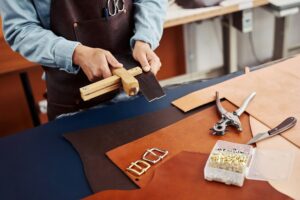
Leathercrafting offers more than a creative outlet because it builds discipline, focus, patience, and respect for the process behind meaningful work. Many people begin working with leather because they enjoy making wallets, belts, journals, bags, or small handmade accessories, yet they quickly discover that each step requires care, steady hands, and thoughtful planning.
While modern life often rewards speed and quick results, this craft slows everything down in a purposeful and rewarding way. Therefore, it shapes both essential skills and mindset, helping people develop patience, confidence, and a deeper appreciation for quality craftsmanship. In addition, the experience helps individuals build valuable skills that can benefit both creative pursuits and everyday life.
Understanding the Value of Slow Progress
Leatherwork rarely rewards rushing, and that truth becomes clear from the very first project. Beginners often try to move quickly through measuring, cutting, edging, or stitching, yet uneven lines and weak seams usually appear right away.
At the same time, slow progress builds confidence in a steady and lasting way. Each completed piece shows effort, growth, and improved judgment, which encourages the crafter to keep practicing. Moreover, this gradual improvement teaches that meaningful results often come from patience, focus, and repeated effort rather than speed alone.
Building Precision Through Repetition
Every leather project includes repeated actions such as cutting, marking, punching holes, beveling edges, and stitching by hand. Although these tasks may look simple at first, they require careful practice to perform well. Over time, repetition helps develop stronger muscle memory, sharper control, and better awareness of small details.
In addition, repeating techniques builds accuracy and consistency across every new project. As crafters continue practicing, they begin to notice cleaner cuts, smoother edges, tighter stitches, and fewer visible errors.
Learning to Accept and Fix Mistakes
Mistakes happen often in leathercrafting, especially when someone is still learning the basics. A cut may go too far, a stitch line may shift, or a hole may land slightly out of place. However, instead of giving up, crafters learn to repair errors, adjust their plans, or turn flaws into creative design choices.
Furthermore, correcting mistakes builds resilience, creativity, and confidence. When something goes wrong, the crafter must slow down, study the problem, and choose a practical solution. Therefore, each error becomes more than a setback because it becomes a lesson that improves both technical skill and problem-solving ability.
Developing Focus and Mental Clarity
Working with leather requires close attention to detail, which naturally improves focus. When someone measures a pattern, cuts along a line, prepares edges, and stitches each section, they must stay present in the moment.
Additionally, this focused activity can create a calming and almost meditative effect. Many crafters find that the rhythm of stitching, burnishing, and shaping leather helps reduce stress after a busy day. Because of this, leathercrafting becomes both a creative hobby and a mindful practice that supports mental clarity.
Gaining Respect for Materials and Tools
Leather is a durable yet sensitive material that demands proper handling and thoughtful preparation. When crafters work with it, they learn how different textures, thicknesses, grains, and finishes respond to cutting, folding, dyeing, and stitching. This knowledge builds respect for the material and encourages better planning before each project begins.
Likewise, tools play an important role in the quality of the finished piece. Sharp knives, stitching chisels, punches, needles, edge bevelers, and burnishing tools all require careful use and regular maintenance. Therefore, working with these tools teaches responsibility, patience, and precision in every stage of the craft.
Strengthening Creative Problem Solving
Each leather project presents unique challenges, from choosing the right design to working around material limitations. Because of this, crafters must think creatively when a pattern does not fit, a piece stretches unexpectedly, or a finish does not look as planned. They often adjust techniques, modify shapes, or rethink details to achieve the desired result.
Moreover, creative problem-solving becomes easier with experience and repeated practice. As crafters face new challenges, they gain confidence in their ability to adapt instead of becoming discouraged.
Building Discipline Through Consistent Practice
Leathercrafting requires time, effort, and dedication, which naturally builds discipline. Unlike quick hobbies that offer instant results, it asks the crafter to return again and again to practice basic skills. Therefore, those who continue working at it develop stronger habits, better patience, and a more reliable work process.
In addition, discipline leads to noticeable improvement over time. Each project becomes cleaner, stronger, and more polished than the last, which motivates continued effort. As a result, this consistency reinforces the value of commitment in any skill, whether someone is crafting, learning, working, or building a long-term goal.
Appreciating the Satisfaction of Handmade Work
Creating something by hand brings a unique and lasting sense of satisfaction. When a project is complete, crafters can see, touch, and use the result of their effort. This experience builds pride because every mark, stitch, edge, and finish reflects time spent learning and improving.
Furthermore, handmade items carry personal meaning that mass-produced goods often lack. A handmade wallet, journal cover, belt, or bag tells a story of patience, effort, and care. Ultimately, this personal connection makes the process more rewarding and helps crafters appreciate the value of slow, thoughtful creation.
Applying Lessons Beyond the Craft
The lessons from leathercrafting extend into many areas of life. Patience, focus, discipline, and careful problem-solving can support work, relationships, personal projects, and long-term goals. As a result, the craft shapes more than creative ability because it also strengthens character and mindset.
Similarly, the mindset developed through leatherwork encourages sustainable growth instead of perfectionism. People learn to value progress over shortcuts, effort over instant success, and quality over speed. Therefore, these lessons create lasting benefits beyond the workshop and continue to guide how crafters approach challenges in everyday life.