How Leather Upcycling Turns Waste Materials Into Valuable Creations


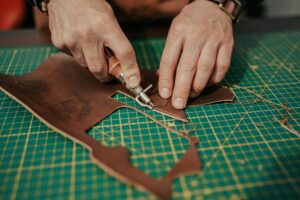
Leather has long been valued for its durability, appearance, and timeless appeal. However, the production and disposal of leather goods pose environmental challenges, prompting designers and manufacturers to seek better solutions. Leather upcycling provides a creative approach by transforming unused scraps, old products, and discarded materials into new items with purpose and value.
Instead of allowing leather waste to end up in landfills, this process gives materials another opportunity to serve consumers through innovative designs. As sustainability becomes more important across industries, businesses and artists are embracing methods that reduce waste while maintaining quality and style.
Understanding the Value Behind Material Transformation
Leather upcycling focuses on reusing existing leather materials rather than relying solely on newly produced materials. This process allows designers to collect leftover factory pieces, damaged products, and older leather items, then convert them into useful creations. As a result, valuable materials receive a second life while reducing unnecessary waste from manufacturing and consumption.
Additionally, this approach supports a more responsible production cycle. Traditional manufacturing often requires new resources, energy, and processing methods, whereas reusing materials can help reduce environmental pressure. Therefore, creative reuse has become an important part of modern sustainable design because it combines practicality with environmental awareness.
Reducing Waste Through Creative Design Approaches
Designers play a major role in turning discarded leather into attractive and functional products. They carefully examine available materials and develop ideas that match the texture, color, and condition of each piece. Because each reused section may have unique characteristics, designers often create items with distinctive appearances that are not easily replicated.
Moreover, creative thinking helps businesses discover new opportunities within materials that were once considered waste. Bags, accessories, furniture details, footwear elements, and decorative pieces can all be developed through thoughtful reuse. Consequently, leather transformation encourages innovation while supporting waste-reduction goals across markets.
Supporting Sustainable Fashion and Consumer Choices
The fashion industry continues exploring ways to become more environmentally responsible, and recycled leather products represent one possible solution. Consumers increasingly look for brands that demonstrate ethical practices, responsible sourcing, and reduced environmental impact. By choosing products made from reused materials, shoppers can support companies that prioritize sustainability.
Furthermore, sustainable fashion is not only about the materials used but also about the stories behind products. Upcycled leather items often carry a sense of uniqueness because each creation reflects craftsmanship and careful planning. Therefore, these products can connect consumers with meaningful designs while encouraging more conscious purchasing habits.
Preserving Craftsmanship Through Modern Innovation
Leather has traditionally been associated with skilled craftsmanship, and upcycling allows these techniques to continue evolving. Artisans use cutting, stitching, shaping, and finishing methods to transform older materials into refined products. This combination of traditional skills and creative ideas creates opportunities for unique designs with lasting appeal.
At the same time, technology has improved how manufacturers handle reused materials. Advanced tools help designers measure, cut, and organize leather pieces more efficiently. As a result, modern production methods make it easier to create high-quality items while maintaining the environmental benefits of material reuse.
Creating Economic Opportunities With Reused Materials
Beyond environmental advantages, leather upcycling can also support economic growth. Small businesses, independent designers, and creative entrepreneurs often use reclaimed leather to develop specialized products for customers seeking unique alternatives. This approach allows companies to build strong identities while responding to growing interest in sustainable goods.
Additionally, reuse-based businesses can reduce material costs by working with available resources. Although the process requires creativity and skilled labor, it can create new market opportunities. Therefore, sustainable production models can benefit both the environment and the economy when companies approach them strategically.
Encouraging Responsible Manufacturing Practices
Manufacturers are increasingly examining how their production systems affect the environment. By incorporating reused leather materials, companies can improve resource efficiency and reduce unnecessary disposal. This shift encourages organizations to consider the complete product lifecycle rather than focusing only on initial production.
Moreover, responsible manufacturing helps strengthen brand reputation. Customers often appreciate businesses that demonstrate commitment to sustainability and transparency. Consequently, companies that adopt better material practices may build stronger relationships with environmentally aware audiences while contributing to broader conservation efforts.
The Future Potential of Circular Material Solutions
The growing interest in circular design has expanded the possibilities for reused materials. Instead of following a traditional model in which products are created, consumed, and discarded, circular approaches focus on extending their usefulness through repair, reuse, and transformation. Leather reuse fits naturally within this concept because it allows existing resources to remain valuable for longer periods.
In addition, future advancements may improve the collection, processing, and redesign of leather waste. Researchers and designers continue exploring methods that make sustainable materials more accessible and efficient. As these developments continue, creative reuse may become an increasingly common practice across fashion, interior design, and manufacturing industries.
Building Awareness Through Sustainable Creative Choices
Consumer awareness plays an essential role in encouraging environmentally responsible industries. When people understand the benefits of choosing reused materials, they are more likely to support brands that prioritize sustainability. Education about responsible consumption can help create stronger demand for products designed with environmental considerations in mind.
Leather upcycling represents a meaningful connection between creativity, sustainability, and responsible production. By transforming unwanted materials into valuable creations, designers and modern businesses demonstrate that waste can become a resource rather than a problem. As industries continue adopting greener practices, this approach will remain an important example of how innovation can support a more sustainable future.