Through the Lens: How Travel Photography Changes the Way You Experience a Destination


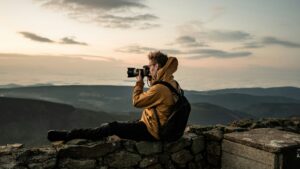
Travel photography is more than taking beautiful pictures while visiting a new place. It is a way to slow down, pay attention, and discover details that might otherwise go unnoticed. When you travel with a camera, your experience can become more thoughtful and personal. Instead of simply moving from one attraction to another, you begin to observe the people, streets, colors, traditions, and small moments that give a destination its true character.
Photography can change how you see a destination because it encourages you to look beyond the obvious. A famous landmark may attract your attention, but the quiet street beside it, a local shopkeeper opening a store, or sunlight falling across an old building may tell a more meaningful story.
Photography Encourages You to Slow Down
Travel often moves quickly. You may have a limited number of days to explore, which can make it tempting to rush from one location to another. Travel photography changes this habit by encouraging you to stop and observe.
Finding the right photograph takes patience. You may wait for the right light, watch people interact, or notice how shadows change throughout the day. During this process, you become more aware of your surroundings. A simple walk through a neighborhood can suddenly become an opportunity to discover interesting architecture, local traditions, or unexpected moments.
This slower approach allows you to experience a destination instead of simply visiting it.
You Start Seeing Beyond Tourist Attractions
Popular attractions are often an important part of travel, but they rarely tell the entire story of a place. Photography can encourage you to explore beyond the locations shown in traditional travel guides.
When searching for interesting images, you may wander through residential streets, local markets, small cafes, parks, or less crowded areas. These places can reveal everyday life and provide a more authentic sense of the destination.
A photograph of a historic building may be attractive, but a picture of someone preparing food at a neighborhood market can capture something deeper. It can show how people live, work, communicate, and connect with their community.
Light Can Change Your Perception
Light plays a major role in photography, and it can completely change how a destination feels. The same street can look bright and energetic during the afternoon and calm and mysterious near sunset.
Learning to notice natural light makes you more aware of time and atmosphere. You may begin waking up earlier to photograph quiet streets or staying out later to capture warm evening scenes. As a result, you experience familiar places in ways that ordinary sightseeing may not provide.
Golden-hour photography can also reveal colors, textures, and architectural details that are less noticeable under harsh midday sunlight.
People Become Part of the Story
Travel photography can also change how you connect with people. Instead of seeing residents as background elements, you may begin noticing their expressions, routines, clothing, and interactions.
Taking photographs respectfully can create opportunities for small human connections. A smile, a brief conversation, or permission to make a portrait can turn an ordinary moment into a memorable experience.
These photographs often become more than visual souvenirs. They preserve the human side of a journey and help you remember how a place felt, not just what it looked like.
Photography Helps You Discover Local Culture
Culture can be easy to overlook when traveling. Photography encourages you to notice details that communicate a destination’s identity.
Food, festivals, signs, crafts, buildings, clothing, transportation, and street decorations can all become subjects. As you photograph these details, you naturally become more curious about their meaning.
This curiosity can lead you to learn about local history and traditions. You may discover that a particular building has cultural importance or that a common dish has a story connected to the region. Photography therefore becomes a starting point for deeper cultural exploration.
Your Memories Become More Personal
Photographs can preserve travel memories, but the process of creating them can strengthen those memories. When you carefully choose what to photograph, you are deciding which moments matter to you.
Years later, a picture of a famous attraction may remind you where you were. However, a photograph of a quiet cafe, an interesting doorway, or a rainy street may bring back the sounds, smells, emotions, and conversations associated with that moment.
This makes travel photography a powerful way to create personal memories.
Seeing the Ordinary in a New Way
Perhaps the greatest benefit of travel photography is that it teaches you to appreciate ordinary moments. You begin to realize that a destination isn’t defined only by its most famous attractions.
A bicycle leaning against a wall, morning coffee beside a window, colorful laundry hanging between buildings, or sunlight reflecting on a sidewalk can become meaningful subjects. Photography trains your eyes to find beauty in simple surroundings.
That habit can even continue after your trip. Once you learn to observe the world more carefully while traveling, you may start noticing interesting details in your everyday environment, too.
Letting Photography Shape Your Journey
Travel photography can transform a destination from a place you visit into a story you actively discover. It encourages patience, curiosity, observation, and connection. Instead of simply collecting pictures, you begin collecting moments and understanding the details that make each place unique.
The camera becomes more than a travel accessory. It becomes a tool for seeing. Through photography, ordinary streets can become fascinating, brief encounters can become lasting memories, and familiar landmarks can reveal new perspectives. Most importantly, it can help you return home with more than photographs. You can return with a deeper understanding of the places you experienced and a new way of looking at the world around you.