Understanding Different Types of Leather and Their Best Uses


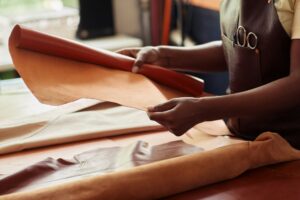
Leather remains a popular material for clothing, accessories, furniture, and handmade products. Its natural appearance, flexibility, and durability make it suitable for many applications. However, not all leather offers the same quality or performance. Different types have distinct textures, strengths, and maintenance requirements.
Understanding these differences helps buyers select materials that match their needs and budgets. Some varieties provide excellent strength for everyday accessories, while others offer softness for clothing or decorative products. Learning about common leather types makes it easier to compare options and choose materials that deliver lasting value.
Full-Grain Leather and Its Natural Strength
Full-grain leather comes from the outermost layer of an animal hide and retains its original grain surface. Manufacturers don’t sand away its natural markings, so scars, wrinkles, and subtle variations remain visible. Its dense fiber structure provides excellent strength, making it popular for products that see frequent handling and regular wear.
Full-grain leather works well for belts, wallets, handbags, and durable footwear. With proper care, many pieces develop a distinctive patina that adds character over time. Although this material often costs more than processed alternatives, its natural appearance and dependable performance make it attractive for products designed for extended use.
Top-Grain Leather for Refined Everyday Products
Top-grain leather comes from the upper section of the hide, but manufacturers may sand or correct its surface to create a more consistent appearance. This process removes some natural markings and gives manufacturers greater control over texture and finish. The result can be a smooth appearance while retaining useful strength and flexibility.
Furniture manufacturers and accessory designers frequently choose top-grain leather for sofas, handbags, and other everyday products. Its relatively uniform surface suits designs that require consistent coloring and a polished finish. Depending on how it’s processed, top-grain leather can balance durability, comfort, appearance, and affordability.
Corrected-Grain Leather for Consistent Appearance
Corrected-grain leather undergoes surface treatments that reduce visible imperfections and create a more uniform texture. Manufacturers may sand the grain, apply pigments, or emboss patterns. These techniques help manufacturers produce leather with predictable coloring and appearance, which is useful when creating multiple matching products.
This leather commonly appears in furniture, shoes, handbags, and commercial accessories. Its protective finish can help resist certain stains and everyday surface marks. However, performance depends on the hide and the quality of the coating. Buyers should examine construction and finishing carefully rather than assuming that a uniform appearance guarantees durability.
Split Leather and Its Practical Applications
Split leather comes from the lower layers of a hide after the upper grain layer has been separated. It generally has a looser fiber structure than full-grain leather and may resist demanding use less. Manufacturers often process its surface to create different textures or apply coatings that improve appearance.
Split leather can serve practical purposes in selected accessories, work products, and decorative applications. Some manufacturers use coated split leather to imitate smoother grain surfaces. Although it may provide a lower-cost option, buyers should consider its intended use carefully. Products exposed to substantial tension may require stronger materials for dependable performance.
Suede Leather for Softness and Texture
Suede typically comes from the flesh side of a hide or from split leather. Its brushed surface creates a soft, slightly fuzzy texture that distinguishes it from smooth leather varieties. This finish gives suede a relaxed look and makes it appealing for products where softness, flexibility, and visual warmth matter.
Designers commonly use suede for jackets, shoes, handbags, gloves, and decorative accessories. Its comfortable texture works especially well in clothing and fashion products. However, suede can absorb moisture and stain more easily than some protected leathers. Appropriate cleaning and storage help preserve its texture and appearance during regular use.
Nubuck Leather for a Soft, Premium Finish
Nubuck leather usually comes from the grain side of a hide, which manufacturers lightly sand or buff to produce a fine, velvety surface. Unlike many suede products, nubuck retains the underlying grain layer. This gives it a distinctive combination of softness, natural character, and useful structural strength.
Nubuck often appears in footwear, handbags, jackets, and selected furniture designs. Its subtle texture creates a refined appearance without requiring a glossy finish. However, the exposed surface may show watermarks, oils, and dirt. Regular brushing and appropriate protective treatments can help maintain its appearance and reduce unnecessary wear.
Bonded Leather and Budget-Friendly Uses
Bonded leather combines leather fibers or scraps with binding materials and attaches them to a backing. Manufacturers often apply a surface coating to create a leather-like appearance. The amount of actual leather varies between products, and bonded materials generally behave differently from traditional hide leather.
Bonded leather may appear in inexpensive furniture, office accessories, book covers, and decorative products. Its lower upfront cost can appeal to budget-conscious buyers. However, some bonded surfaces may peel or deteriorate with repeated use. Understanding the material’s construction and expected lifespan helps consumers make realistic purchasing decisions.
How Tanning Methods Influence Leather Uses
Tanning transforms animal hides into stable materials suitable for manufacturing. Vegetable tanning uses plant-based agents and often produces leather that carves, stamps, and shapes well. Chrome tanning uses chromium salts and typically produces supple leather for flexible products. Both methods can produce high-quality materials when properly managed.
Vegetable-tanned leather frequently appears in belts, wallets, saddlery, and traditional crafts. Chrome-tanned leather commonly serves clothing, upholstery, footwear, and soft accessories. The best choice depends on desired flexibility, appearance, maintenance, and construction methods. Understanding tanning differences helps explain why leather products with similar thicknesses may perform differently.
Choosing the Right Leather for Your Needs
Selecting leather requires balancing appearance, durability, comfort, and cost. A frequently used belt may benefit from strong full-grain leather, while a lightweight jacket might require a softer material. Furniture needs leather that supports comfortable seating and is easy to clean. Each application places different demands on the material.
Before purchasing, compare samples and examine their grain, texture, thickness, and finish. Consider how often the finished product will be used and how much maintenance it will require. Understanding the different types of leather helps prevent unsuitable purchases and supports better long-term value. The right material combines practical performance with an appearance that complements its intended purpose.